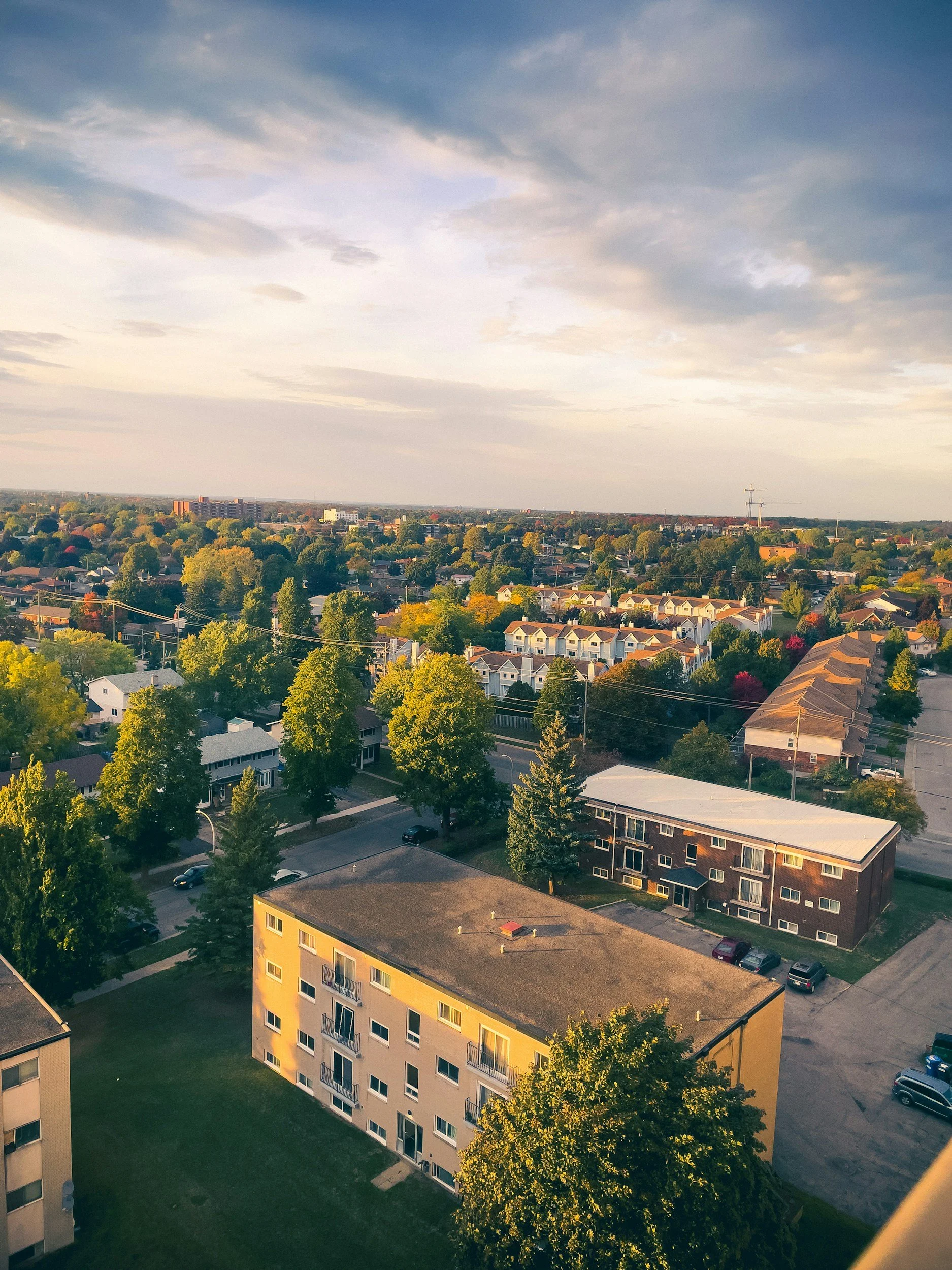
Working for You - Addressing Pertinent Issues and Solutions in Kitchener
Time for transparency and change, together.
Housing affordability — Issue: Kitchener’s 2026 community survey identified cost of living at 32% and housing affordability at 29% as residents’ top concerns — Solution: Increase the supply of affordable and purpose built rental housing by using City owned land, supporting non profit housing providers, expanding incentives for affordable units and prioritizing housing near transit and services
Homelessness and encampments — Issue: The Region of Waterloo’s 2024 Point in Time count recorded 2,371 people experiencing homelessness, more than double the 2021 figure, while the City reports that homelessness and encampments have increased significantly — Solution: Work with the Region to expand supportive housing, emergency shelter capacity, mental health and addiction supports and pathways from temporary shelter into permanent housing
Lack of supportive and accessible housing — Issue: Kitchener’s housing assessment identifies significant gaps in community, supportive and accessible housing, including an estimated need for approximately 5,000 additional community housing units — Solution: Make supportive, accessible and deeply affordable housing a priority when City land, incentives and partnerships are allocated
Cost of living and municipal affordability — Issue: Affordability is the leading concern identified by Kitchener residents, while the 2026 budget includes increases of 2.2% for property taxes, 4.9% for water, 7% for sanitary sewer and 7.4% for stormwater — Solution: Protect essential services while conducting affordability reviews for major fee increases and prioritizing investments that reduce household costs over time such as transit, energy efficiency and walkable neighbourhoods
Access to parks and public spaces — Issue: Kitchener residents identified improving access to public spaces as one of the important ways to strengthen community connection, with 53% identifying it as a priority — Solution: Invest in safe, accessible parks, recreation facilities, trails, playgrounds and public spaces, with particular attention to neighbourhoods that have fewer nearby amenities
Transportation and getting around without a car — Issue: Kitchener’s growth is increasing demand for transportation infrastructure, while the City is investing in trails and transit oriented development to create a more connected community — Solution: Prioritize reliable public transit, safe sidewalks, protected cycling connections and accessible transportation so residents can reach work, school, healthcare and shopping without requiring a car
Growth without enough infrastructure — Issue: Kitchener is growing rapidly and the City owns and maintains approximately $15 billion in infrastructure, creating significant pressure on roads, bridges, water, wastewater, stormwater, parks and community facilities — Solution: Require infrastructure capacity and funding plans to keep pace with new development and prioritize maintenance of existing infrastructure alongside new construction
Community safety and emergency response — Issue: Almost 80% of Kitchener residents reported feeling safe in their neighbourhoods, but community safety and emergency preparedness remain important municipal responsibilities as the city grows — Solution: Maintain strong emergency response capacity, improve lighting and pedestrian safety, support neighbourhood based prevention programs and ensure new growth includes adequate emergency services
Inclusive access to City programs and services — Issue: Kitchener’s 2026 survey found that 54% of residents identified reducing financial barriers as important to strengthening community connection, while the City has also identified accessibility and service delivery as priorities — Solution: Expand low cost recreation and community programming, improve accessibility and ensure residents facing financial barriers can participate in City services and public spaces
Responsible growth and complete neighbourhoods — Issue: Kitchener has approved its Kitchener 2051 Official Plan to guide major population and development growth while balancing housing, transportation, climate resilience and community needs — Solution: Support new housing while ensuring development is accompanied by parks, transportation, schools, emergency services, stormwater capacity and other infrastructure needed to create complete neighbourhoods rather than simply adding density
Water supply and development pressure — Issue: In January 2026 the Region confirmed a water capacity constraint in the Mannheim service area, which supplies Kitchener, Waterloo and parts of Cambridge, Wilmot and Woolwich, and the City subsequently adopted a Water Allocation Policy because available water capacity is limited — Solution: Make water infrastructure capacity a prerequisite for major growth, publish neighbourhood level water capacity information, accelerate long term water infrastructure investments and require development decisions to account for existing residents as well as future growth
Development and loss of agricultural land — Issue: Kitchener is experiencing substantial development pressure while the new Kitchener 2051 Official Plan establishes a long term framework for growth to 2051, creating an ongoing need to balance housing growth with protection of natural and agricultural lands — Solution: Prioritize intensification and redevelopment of already urbanized land where appropriate, protect valuable agricultural and natural areas, and require clear justification when development would result in the loss or fragmentation of important land
Cemetery land and long term burial space — Issue: Development pressure can create competing demands for land, including land needed for cemeteries and cemetery expansion, with a 2026 Kitchener Committee of Adjustment application seeking a variance for a new maintenance building at Williamsburg Cemetery — Solution: Treat cemetery capacity as essential community infrastructure, maintain a long term inventory of available cemetery land, protect existing cemetery properties from incompatible development and plan for future burial, cremation and memorial needs rather than addressing land requirements only when capacity becomes limited
Growth before infrastructure catches up — Issue: Kitchener has approved more than 17,000 homes since 2023 while the City is simultaneously dealing with pressures involving water, transportation, stormwater and other infrastructure — Solution: Tie the pace and location of major development to demonstrated infrastructure capacity and publish clear infrastructure timelines so residents can see whether roads, water, stormwater, parks, transit and emergency services will keep pace with new residents
Stormwater and neighbourhood flooding — Issue: Kitchener is investing in stormwater projects because more intense storms are increasing flood risks and affecting water quality, with projects underway across the city — Solution: Give priority to flood vulnerable neighbourhoods, expand natural stormwater infrastructure, require effective runoff management in new developments and publish measurable targets for reducing neighbourhood flood risk
Loss of mature trees and green space through development — Issue: Development can remove mature trees and alter natural drainage and habitat, while Kitchener is already working to increase tree canopy and address environmental impacts associated with growth — Solution: Protect significant mature trees wherever possible, require meaningful replacement when removal is unavoidable, preserve connected green corridors and measure whether each major development results in a net improvement or loss of local tree canopy
Water quality and protection of creeks — Issue: The City is undertaking projects on Schneider Creek, Shoemaker Creek and other waterways specifically to reduce flooding, improve water quality and restore creek habitat — Solution: Require new development to incorporate stronger stormwater treatment, expand creek restoration and naturalized drainage, and protect riparian areas that help filter pollutants before they reach waterways
Housing affordability versus development affordability — Issue: Kitchener's 2026 resident survey identified cost of living as the top concern at 32% and housing affordability as the second highest at 29%, while the City is under pressure to accommodate significant population growth — Solution: Increase affordable and purpose built rental housing while ensuring growth does not simply transfer infrastructure and service costs onto existing residents through inadequate planning
Neighbourhood character and rapid intensification — Issue: Kitchener's new Official Plan is intended to accommodate growth while increasing housing options, meaning some established neighbourhoods will experience significant change over time — Solution: Support appropriate housing growth while requiring thoughtful transitions between different building forms, adequate green space, traffic and servicing assessments, pedestrian infrastructure and meaningful resident engagement before major neighbourhood changes are approved
Transportation infrastructure falling behind growth — Issue: Population growth increases pressure on roads, transit, sidewalks, cycling infrastructure and intersections, while the City is planning for growth through 2051 — Solution: Require transportation capacity to be planned alongside new housing, prioritize safe sidewalks and crossings, improve transit connections and ensure development contributes fairly to transportation infrastructure needed by the additional population
Development and loss of community amenities — Issue: Community plans are specifically intended to coordinate development with community facilities, transportation networks, environmental protection and the timing of growth — Solution: Require major growth areas to have clearly identified parks, recreation facilities, community spaces and transportation connections before development reaches full buildout rather than adding amenities after neighbourhoods are already occupied
Transparency around water allocation — Issue: Kitchener adopted its Water Allocation Policy in June 2026 to determine how limited water capacity will be assigned to development, with priority given to projects based partly on community benefit and infrastructure capacity — Solution: Publish regular public reports showing available capacity, allocations, projects receiving allocations and the infrastructure investments needed to create additional capacity so residents can understand how growth decisions are being made
Existing residents versus new development costs — Issue: Kitchener extended its development charges bylaw in 2026 amid uncertainty around growth forecasts, provincial changes to development charges and the timing of growth related infrastructure projects — Solution: Maintain transparent accounting showing what portion of infrastructure costs is associated with growth and what portion is associated with existing service needs, while protecting existing taxpayers from bearing an unreasonable share of growth related costs
Protection of natural drainage and groundwater — Issue: The Region's water system is groundwater based and the 2026 water capacity constraint has demonstrated the importance of managing water resources carefully as the community grows — Solution: Protect groundwater recharge areas, reduce unnecessary water consumption, expand water conservation programmes and ensure development planning considers the long term watershed rather than treating water simply as an unlimited utility service
Public participation in major development decisions — Issue: Kitchener's planning system includes public processes for development applications, while the City is simultaneously undertaking its next strategic planning process and gathering resident input about the future of the city — Solution: Make development information easier for residents to understand, provide earlier notice of major proposals, expand neighbourhood meetings and publish plain language explanations of how resident feedback affected final decisions
Aging infrastructure and maintenance — Issue: Rapid growth creates pressure not only to build new infrastructure but also to maintain existing roads, bridges, water systems, stormwater systems, parks and public facilities — Solution: Establish a publicly accessible infrastructure scorecard showing the condition of major assets, upcoming maintenance needs, funding sources and expected completion dates so growth does not come at the expense of maintaining what residents already have
Affordable access to parks and public space — Issue: Growth can increase demand for parks, recreation facilities and public spaces, while Kitchener's strategic planning process identifies improving access to public spaces and reducing financial barriers as important community priorities — Solution: Protect existing parkland, acquire land for future parks before development is complete and ensure new neighbourhoods have accessible public spaces within reasonable walking distance
Construction impacts on existing neighbourhoods — Issue: Rapid development can create temporary but significant impacts including construction traffic, noise, dust, road damage, blocked sidewalks and changes to drainage — Solution: Strengthen construction management requirements, enforce approved site plans, maintain safe pedestrian routes and create a clear resident complaint and follow up process for prolonged construction impacts
Balancing housing growth with community infrastructure — Issue: Kitchener is actively pursuing housing growth while simultaneously dealing with limited water capacity and infrastructure pressures, illustrating the need to coordinate these priorities rather than treating housing numbers separately from servicing capacity — Solution: Measure successful growth by homes plus infrastructure plus services plus environmental protection, with transparent targets for water, stormwater, transportation, parks, community facilities and affordability accompanying housing targets
Working Together
✳︎
ALC4WARD6
✳︎
VOTE AMBER LOUISE CULLEY
✳︎
VOTE OCTOBER 26th
✳︎
VOTE IN ADVANCE POLLS OCTOBER 13th-15th
Working Together ✳︎ ALC4WARD6 ✳︎ VOTE AMBER LOUISE CULLEY ✳︎ VOTE OCTOBER 26th ✳︎ VOTE IN ADVANCE POLLS OCTOBER 13th-15th